
The Book’s Unfinished Psychology
The Interpretation of DreamsThis thread follows Freud's effort to construct a model of the mind while repeatedly marking the limits of his evidence.
increasing Bearing strength in each event
 decreasing
Bearing strength in each eventdecreasingNeurology Behind the Project
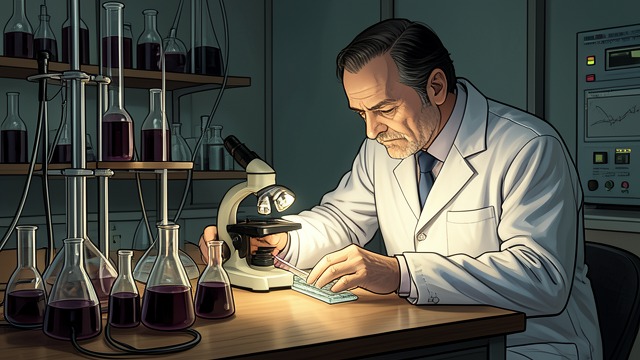
Neurology Behind the Project
A materialist education
Freud's medical training emphasizes physical and chemical explanations of organisms. His early psychological model carries this scientific inheritance.
An initial apparatus
The unpublished Project for a Scientific Psychology imagines mental energy moving through a nervous system.
A Spatial Model Proposed
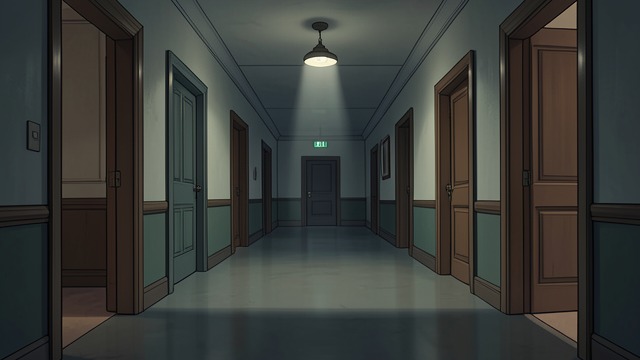
A Spatial Model Proposed
Systems and direction
Freud sketches perceptual, memory, unconscious, and preconscious systems arranged along a path from sensation toward movement.
A heuristic diagram
He presents the model as provisional scaffolding, not a literal map of the brain.
Regression Explains the Scene
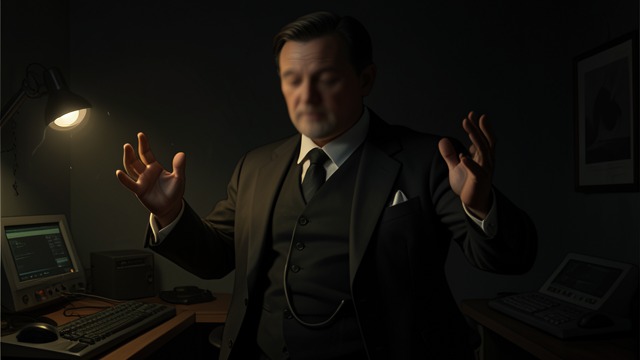
Regression Explains the Scene
A reverse current
Dream-thoughts move back toward perceptual memories and become vivid images. Freud calls this movement regression.
An explanatory gain
The model helps explain why dreams dramatize thoughts and lose logical relations.
Primary and Secondary Thought
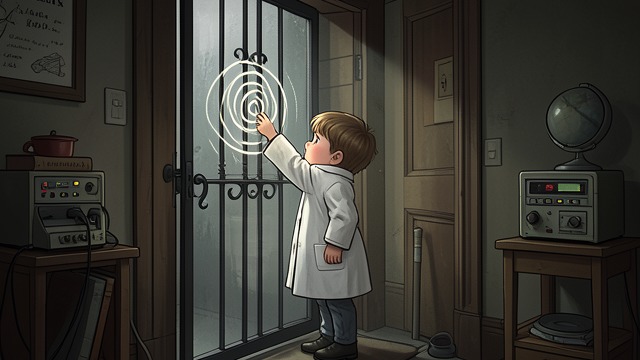
Primary and Secondary Thought
Two modes
Freud contrasts associative, wish-driven primary processes with secondary thought that adjusts desire to reality and inhibits discharge.
Development over time
He connects this distinction to the growing child and to the return of early modes in dreams.
An Explicit Limit

An Explicit Limit
Speculation acknowledged
Freud admits that his account reaches beyond what dream analysis alone can establish. The psychical apparatus remains a hypothesis awaiting other evidence.
A research program
The unfinished model points toward future work on neurosis, consciousness, and mental life.
Before the dream book's main argument
Near the end of Chapter VII
During the final chapter's account of regression
During Freud's account of psychical processes
At the close of the book
